Assembling a Portable Snack Kit for Work and Travel
Why a portable snack kit makes sense
Between a packed meeting schedule, a long commute, or a road trip, it is easy to end up hungry and reach for whatever is nearest. That often means vending-machine chips or a sugary bar that leaves you tired an hour later. A small, portable snack kit you put together yourself solves that problem. It gives you control over what you eat, keeps hunger in check, and fits into a backpack or desk drawer without fuss.
The key is choosing items that travel well: they should not crush, melt, or spoil quickly. Wafer snacks, for example, are naturally sturdy and light. They do not need refrigeration and can sit in a bag for days without losing their texture. That makes them a good base for a kit that is always ready when you are.
What to look for in portable snacks
Not every snack works in a kit. The ones that do share a few traits. They are shelf-stable, so they stay fresh without a cooler. They are individually wrapped or easy to portion, which helps with portion control. And they provide enough substance to bridge the gap between meals without leaving you sluggish.
Filled wafer snacks fit this description well. Their layered structure holds up to jostling in a bag, and the filling adds a bit of protein and fiber that plain crackers lack. When you choose a brand, check the sugar content. Many wafer-style products are loaded with sugar, which can cause an energy spike and crash. Lower-sugar options give you steady energy instead.
Building your kit: the steps
Step 1: Pick a container that fits your routine
The container matters more than you might think. A lunch bag works if you carry a bigger bag or leave the kit in the car. A small, hard-sided case or a zip pouch is better for a backpack or purse. Look for something that is easy to open and close one-handed, because you will often eat on the move. A container that seals tightly also keeps crumbs contained and protects the snacks from moisture.
What to watch: Avoid containers that are too large. If the kit is bulky, you will leave it behind. A slim, rectangular pouch that slides into a laptop bag or sits in a desk drawer is more likely to be used daily.
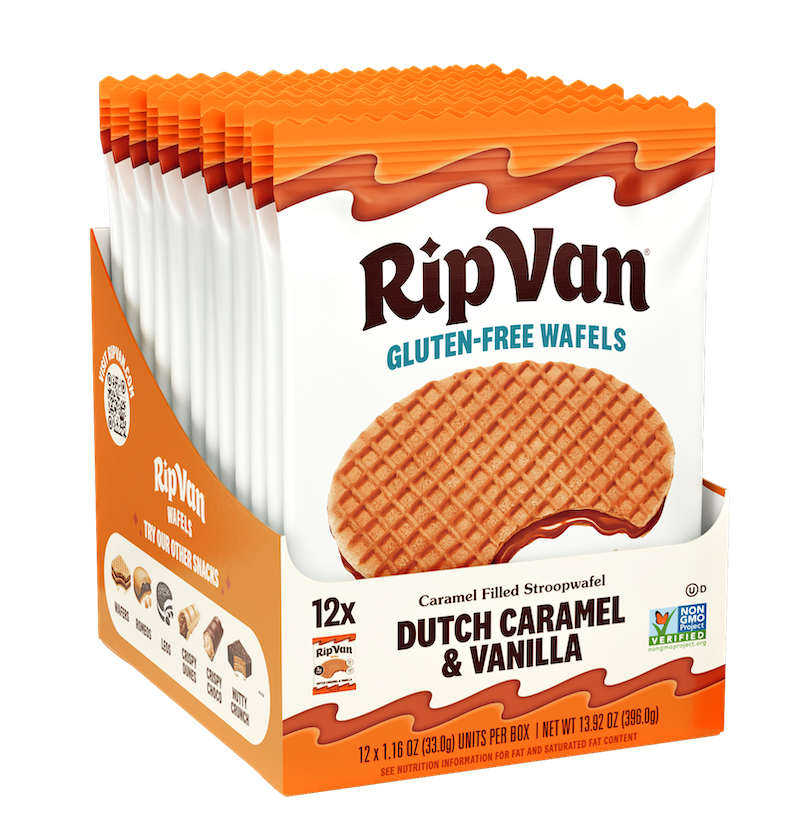
Step 2: Choose a main snack that travels well
The core of your kit should be a snack that satisfies hunger and does not break or crumble easily. Wafer snacks are a strong candidate for this role. They are crisp but not fragile, and their filling adds richness without making them greasy. Low-sugar versions are especially useful because they do not lead to an energy dip later.
Rip Van makes filled wafer snacks that are designed with this in mind. Their stroopwafels have a chewy center and added fiber, which makes them more substantial than a plain cookie. One or two of these in your kit can handle the gap between lunch and dinner without leaving you wanting more.
What to watch: Check the packaging. Individually wrapped snacks stay fresh longer and make portion control easier. If the snack comes in a large bag, pre-portion a few into small resealable bags at home so you are not tempted to eat the whole thing.
Step 3: Add a protein-rich backup
Even the best wafer snack may not be enough on a very long day. Add a small protein source that does not need refrigeration. Nuts, single-serve nut butter packets, or shelf-stable cheese sticks work well. A handful of almonds or a small packet of peanut butter provides lasting energy and complements the sweetness of a wafer snack.
What to watch: Nuts can go rancid in warm weather, so rotate them out in summer. Single-serve packets of nut butter or hummus are more stable and easier to pack. Avoid anything that needs a spoon or a plate; the kit should be usable anywhere.
Step 4: Include something crunchy or salty
A snack kit that is all sweet can feel one-note. Add a savory element for contrast. Rice crackers, pretzels, or a small bag of roasted chickpeas bring salt and crunch. They also help balance the flavors if you eat the kit over a few hours rather than all at once.
What to watch: Choose items that are not coated in sticky seasoning, which can make a mess inside the container. Dry, seasoned snacks like wasabi peas or salted edamame are good options. They hold up well and do not leave residue on your fingers.
Step 5: Pack a drink or a hydrating element
A snack kit is more satisfying if you have something to drink with it. A single-serve electrolyte packet or a tea bag takes up almost no space. If you have access to water, you can mix the electrolyte powder or steep the tea. For a no-prep option, a small bottle of water or a can of sparkling water fits in a side pocket of most bags.

What to watch: Avoid carbonated drinks in cans if you are flying or hiking at altitude, as pressure changes can cause leaks. Stick with flat water or powdered drink mixes for those situations.
Putting it all together
Once you have the components, assemble the kit and keep it in your main bag or desk drawer. Check it once a week to replace anything that was eaten or is close to its expiration date. Rotating the snacks keeps them fresh and gives you variety.
One approach is to pack two or three wafer snacks, a small bag of nuts, a packet of crackers, and a tea bag or electrolyte stick. That combination covers sweet, savory, and hydrating needs without taking up much space. If you prefer savory snacks, swap the wafer for a cheese-and-cracker pack or a small tin of sardines.
What to watch: Do not overpack. A kit with too many choices becomes heavy and you may not use it. Stick to four or five items max, and adjust based on what you actually eat during the week.
Where to keep your kit
The best spot is where you most often feel hunger. If you commute by train, keep the kit in your work bag. If you drive, a small lunch bag in the car works, but be mindful of heat in summer. A desk drawer is ideal for office workers because it is always there when the afternoon slump hits.
For travel, pack the kit in your carry-on or personal item. Security rules allow solid snacks like wafer snacks, nuts, and crackers through checkpoints, so you can have them on the plane or during a layover. Avoid gels or creamy items unless they are in containers under 3.4 ounces and fit in your liquids bag.
Adjusting for different routines
A portable snack kit is not one-size-fits-all. If you are vegetarian, skip the cheese and add roasted edamame or a nut bar. If you avoid sugar entirely, look for wafer snacks sweetened with allulose or stevia, or replace them with a savory wafer cracker. The idea is to have something that fits your taste and keeps you from getting caught hungry.
For road trips, include a reusable water bottle and a few extra snacks for passengers. For long flights, avoid anything with a strong smell out of courtesy to other travelers. The kit should be convenient and unobtrusive.
Keeping it fresh and safe
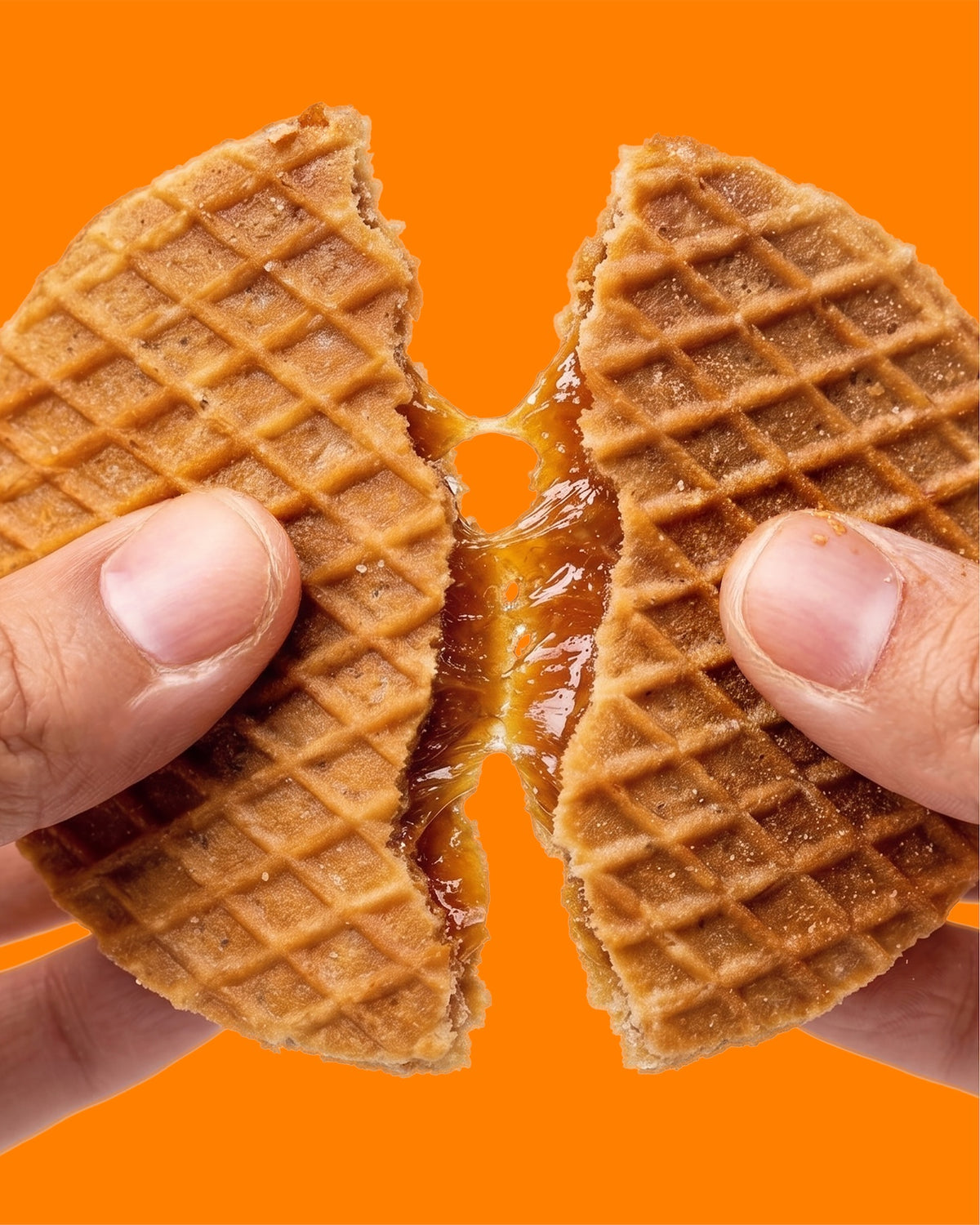
Check the kit before you leave the house each day if you can. If a snack packet is torn or the container feels warm, swap it out. In hot weather, avoid chocolate-covered items or anything with a low melting point. Wafer snacks generally hold up well because they do not contain much fat that melts, but it is still wise to keep the kit out of direct sun.
Wash the container every few weeks to remove crumbs and dust. A dry wipe is usually enough, but a quick rinse with soap and water every month keeps it clean. Let it dry fully before reloading to prevent moisture from softening the snacks.
The payoff
A well-stocked snack kit takes ten minutes to assemble and saves you from overpriced, unsatisfying purchases all week. It also gives you control over what you eat, which matters if you are watching sugar intake or trying to eat more fiber. With a few thoughtful choices, you can have a reliable source of energy that fits your bag and your day.
Rip Van offers wafer snacks that work well in this setup because they are low in sugar and include added fiber, which helps with satiety. One or two of these in your kit, paired with a protein and a salty snack, covers the bases for most situations. The result is a portable solution that keeps you fed and focused, whether you are at your desk or on the move.